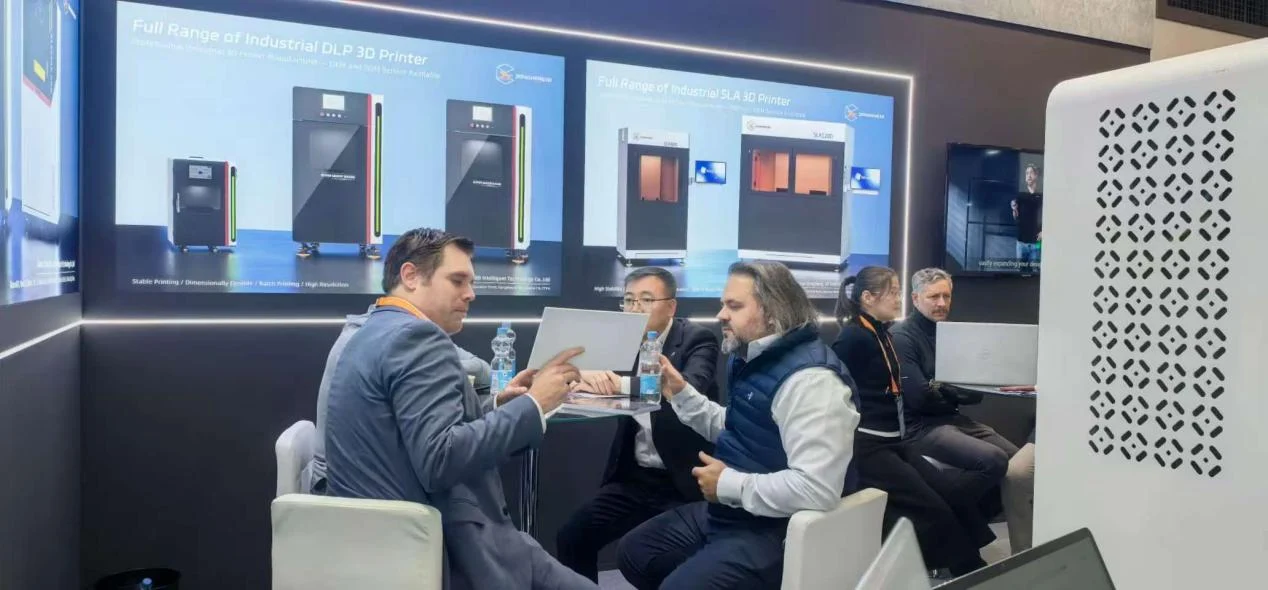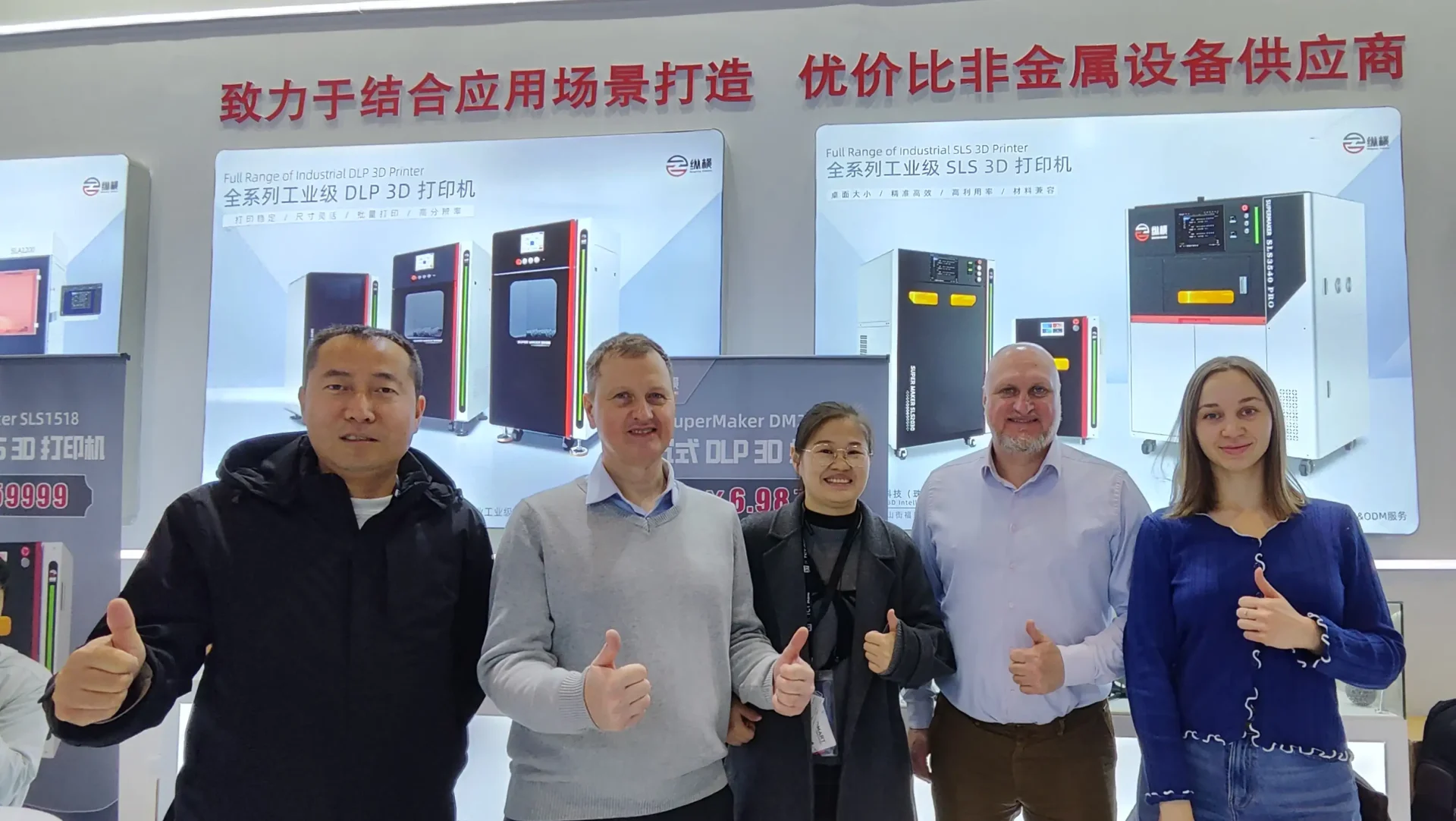
Commencing the extensive investigation on Choice-based Beam-based Melting (Laser Powder Fabrication) solution via leading constructive creation areas.
Focused Beam Bonding Selective Laser Sintering provides a robust produced construction framework conceived for constructing detailed 3D objects. This particular description considers carefully into the basic principles of SLS, considering everything from the elements applied—typically polymers-based like nylon—to the tools application and different employments. Grasping the finer points of SLS empowers makers to unlock its total ability for swift trialing and small-batch construction. We additionally review general problems and advancing patterns in this dynamic area.
Accessible SLS 3D Machines: Delivering Powder Fusion Available At first a field closed to industrial institutions, Selective Laser Sintering (SLS) 3D creation is increasingly affordable to a larger segment due to the introduction of reasonable SLS devices. These cutting-edge technologies maximize savings the typical barrier to engagement, enabling smaller facilities and technologists to investigate the merits of powder bed fusion technology, comprising the making of complex parts with exceptional mechanical capabilities. This movement initiates a revolution in 3D manufacturing sector.Luminescence Bonding 3D Devices: Technique and Applications
Beam Joining Geometric Machines apply such specific light for the purpose of link atomized materials, typically resins, coat by step, producing complex spatial items. The aforementioned process, referred to as Directed Luminous Fusing (Photon-Induced Welding), enables significant benefits for fabricating operational demonstrations and definitive modules across broad disciplines, including aerospace, car, medical, and end-user wares. Additionally, SLS authorizes the creation of dimensionally detailed designs that would be hard to construct using time-honored approaches.Joining 3D Equipment: Gains and Elements Clarified
Laser-based machines offer the unique approach to assembled generation. Dissimilar to established 3D methods, melting avoids support props for protruding traits. Such results in enhanced shape scope. Positives consist of amplified ingredient traits and lessened post-processing actions.
- Generally compositions include heavy-duty metallic materials, titanium-based metals, metal blends, copper, and distinct inorganic powders.
- The noted process employs certain photon or electron flow to carefully weld dispersed material tier by ply.
One Growth of Localized SLS 3D Systems
One sphere of 3D building is observing a remarkable change with the rollout of desktop Selective Laser Sintering (SLS) machines. Traditionally a system reserved for professional setups, SLS permits the generation of sophisticated parts straight from polymer powder, avoiding the requirement of scaffold columns. This development, once excessively expensive, is transforming increasingly approachable to enthusiasts, independent establishments, and university bodies. These smaller, more budget-friendly tools extend a transformation in prototype design and modest construction, unlocking innovative opportunities for planning and development across broad sectors.
- Upsides of Desktop SLS:
- Advanced Part Generation
- No Support Scaffolds
- Feedstock Freedom
Contrasting Photon Beam Sintering 3D Machine Alternatives and Charges
Determining the optimal SLS 3D machine can be difficult, especially when weighing the on-hand variants and their accompanying values. Affordable models usually range between $12,000 and $40,000, delivering standard build areas and feedstock possibilities. Advanced printers usually amount to between $35,000 and $60,000, supplying a superior mix of performance and features. Finally, enterprise-grade SLS instruments can rise above $160,000, equipped with massive build areas, sophisticated substance kinds, and upgraded capacity. Consequently, detailed research and contrast studies are fundamental before making a procurement.
Targeted Beam Fusion vs. Other Tri-Dimensional Fabrication Strategies: Choosing is Optimal for You Purposes?
Opting for the correct 3D selective laser sintering equipment market creation technique can be difficult, especially when analyzing Laser Powder Consolidation. While Extrusion Modeling provides basicness and budget suitability, SLS delivers unmatched independence in component selection and complex piece development. Relative to Photo-curing, which stands out in creating meticulous mockups, SLS empowers the generation of working delivered components with exceptional mechanical specifications.
- Solid Laser Sintering is recommended for detailed figures.
- Material Extrusion is predominantly cost-effective.
- Light Curing delivers considerably polished facial surfaces.
Next-gen Materials for Laser Sintering 3D Printing
Such swift advancement of laser sintering, a mode of 3D printing, results in driven by the widening diversity of innovative materials. In the past, regulated to polymers like synthetics, the landscape now adopts a large portfolio of oxides, metallic substances, and even specific combinations of materials. Study activities are concentrated at increasing material properties, such as load-bearing durability, energy-related tenacity, and energy flow conductivity, in order to support the production of elaborate elements required for demanding domains like aerospace, medical care, and automotive engineering. Furthermore, ongoing exploration into nanoparticles and their embedding inside existing laser sintering compositions provide considerable enhancements in efficiency.
Forthcoming Movements in Sintering 3D Printer Progress
That impending trajectory of sintering additive printer {development|progress|evolution|advancement|im