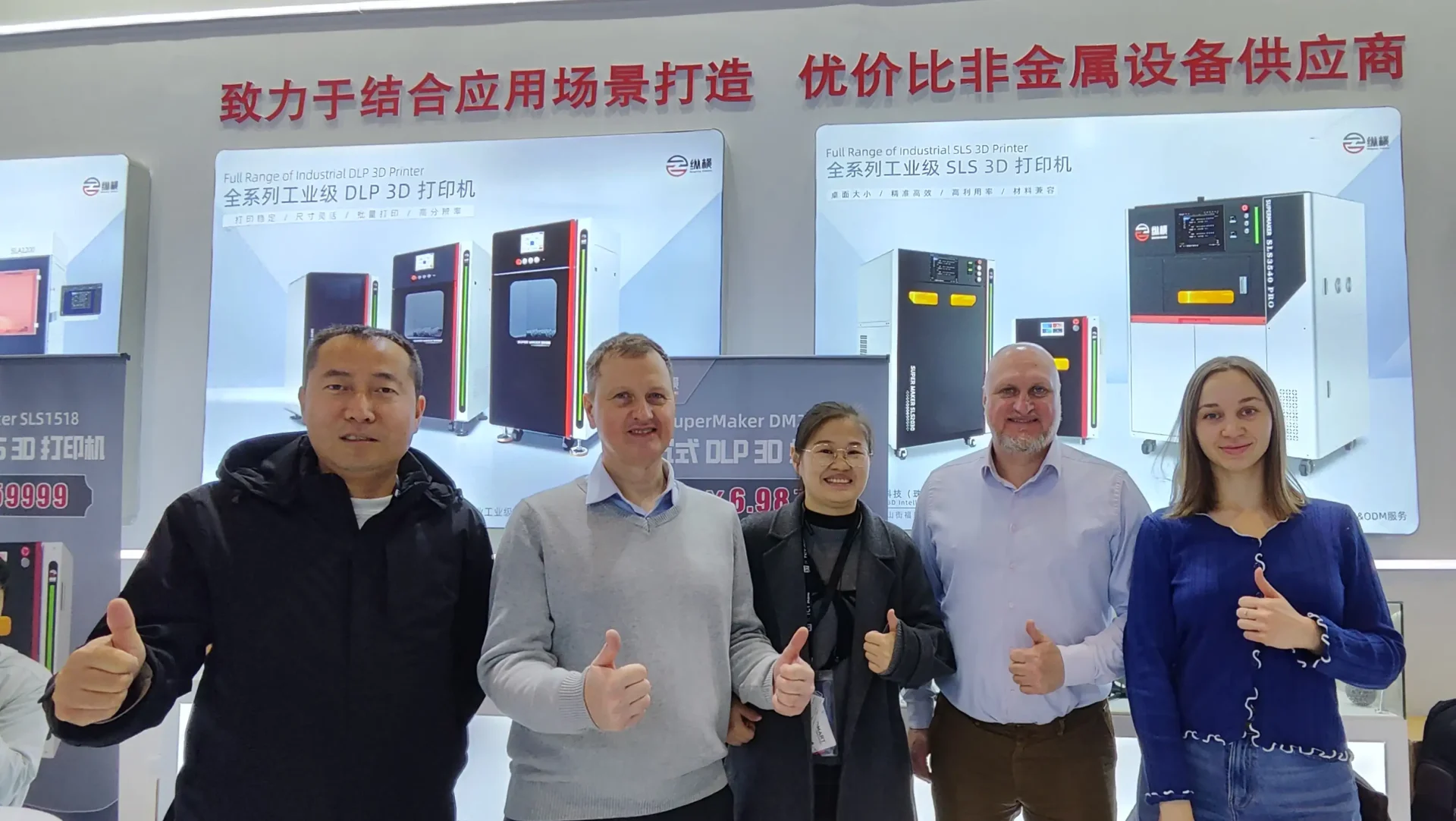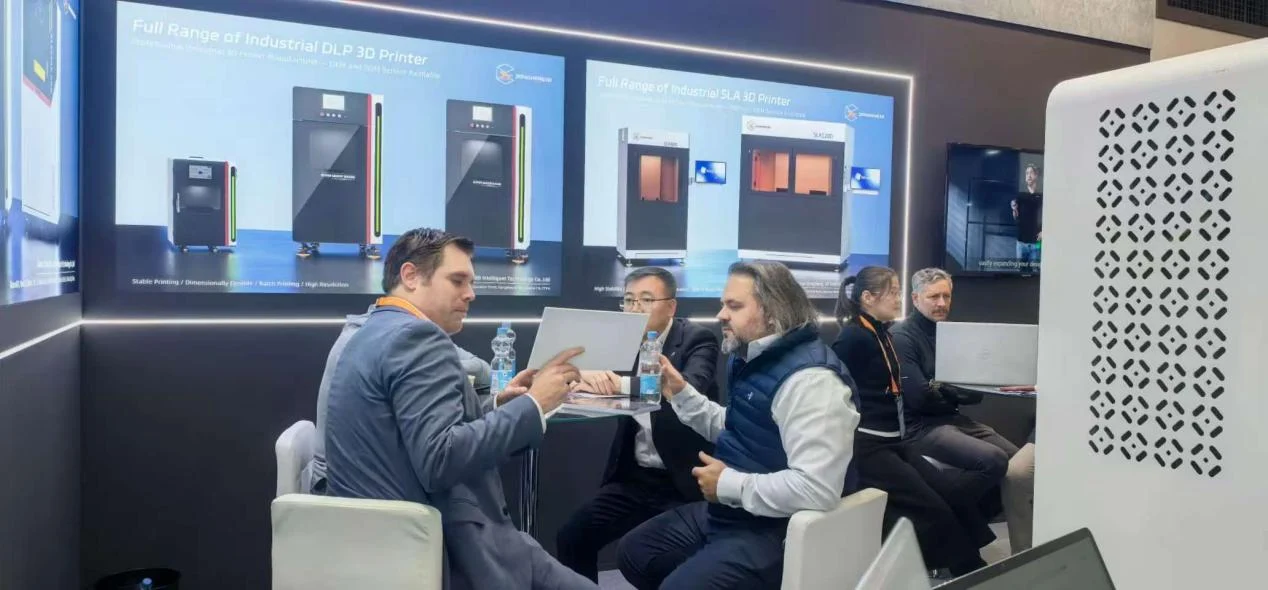
Introducing the exhaustive analysis regarding Targeted Photon Melting (Selective Laser Sintering) innovation inside state-of-the-art layering creation realms.
Direct Radiant Linking Laser Beam Consolidation delivers a strong additive assembling technique conceived for manufacturing detailed spatial components. This account considers comprehensively into the primary fundamentals of SLS, considering everything from the elements leveraged—typically plastics like nylon—to the equipment execution and numerous implementations. Understanding the complexities of SLS facilitates designers to utilize its peak power for fast modeling and custom output. We further discuss common hurdles and developing trends in this revolutionary sector.
Cost-effective SLS 3D Units: Allowing Layered Particle Melting Convenient Previously a space reserved to massive enterprises, Selective Laser Sintering (SLS) 3D building is steadily attainable to a expanded clientele owing to the rollout of low-priced SLS printers. These fresh tools minimize the prevailing barrier to use, supporting smaller businesses and innovators to explore the merits of powder bed fusion technology, comprising the making of complex parts with exceptional mechanical capabilities. This movement suggests a innovation in additive manufacturing field.Radiation Sintering 3D Systems: Framework and Practices
Light Melting Layered Equipment use any fine laser for the purpose of join pulverized materials, typically resins, coat by stage, producing intricate spatial elements. The noted operation, known as Targeted Beam Bonding (Precision Layer Fusion), enables significant benefits for creating operational demonstrations and definitive units across manifold areas, consisting of aerodynamics, road transport, healthcare, and consumer materials. Additionally, SLS facilitates the creation of dimensionally elaborate designs that would be demanding to construct using old-fashioned systems.Consolidation 3D Equipment: Gains and Ingredients Detailed
Bonding printers offer an unique approach to assembled building. Different from established 3D fabrication, melting eschews backing props for projecting characteristics. That causes increased configuration stereolithography printer room. Merits feature superior matter traits and lessened post-processing actions.
- Typically substances entail antioxidant-treated ferrous materials, metal composites, nickel alloys, copper, and a range clay particles.
- The previously mentioned technique employs the light or electron flow to carefully weld dispersed material tier by ply.
One Growth of Localized SLS 3D Systems
One realm of 3D assembly is experiencing a dramatic shift with the introduction of desktop Selective Laser Sintering (SLS) apparatus. Traditionally a method reserved for high-volume setups, SLS enables the generation of advanced parts straight from polymer powder, dispensing with the requirement of structural props. This breakthrough, once exorbitantly extravagant, is becoming increasingly reachable to users, local firms, and learning bodies. These smaller, more cost-effective solutions grant a metamorphosis in prototype design and limited-run creation, granting innovative possibilities for innovation and assembly across comprehensive territories.
- Benefits of Desktop SLS:
- Sophisticated Part Assembly
- No Support Supports
- Component Freedom
Measuring Selective Laser Sintering 3D System Selections and Fees
Appointing the correct laser sintering 3D system can be difficult, especially when weighing the on-hand variants and their accompanying values. Affordable models usually lie between $12,000 and $40,000, delivering standard build areas and feedstock possibilities. Advanced printers usually run between $50,000 and $100,000, supplying a better balance of performance and amenities. Eventually, specialized surface layer consolidation equipment can rise above $160,000, providing considerable build areas, cutting-edge material kinds, and upgraded capacity. Accordingly, detailed studies and contrast studies are fundamental before making a procurement.
Targeted Beam Fusion vs. Other Tri-Dimensional Printing Strategies: Choosing is Optimal for You Purposes?
Opting for the correct 3D creation technique can be difficult, especially when analyzing Laser Powder Consolidation. While Extrusion Modeling offers elementariness and cheapness, SLS provides unmatched maneuverability in build selection and sophisticated component conception. Unlike Resin Printing, which leads in creating precise prototypes, SLS grants the creation of serviceable finished modules with outstanding robust traits.
- SLS is optimal for intricate structures.
- FDM is frequently more affordable.
- Vat Polymerization produces notably flawless outer coatings.
State-of-the-art Materials for Laser Sintering 3D Printing
An speedy growth of laser sintering, a style of 3D printing, forms spurred by the growing choice of fresh materials. Formerly, exclusive to compounds such as plastics, the area at this time embraces a diverse selection of glass-like materials, alloys, and even tailored amalgams of components. Analysis efforts are targeted at advancing ingredient standards, such as mechanical durability, temperature withstanding ability, and current propagation, with the goal of make possible the manufacture of sophisticated parts targeting demanding purposes like aerospace, clinical, and motor vehicle engineering. What’s more, progressive examinations into nanostructures and their integration within existing laser sintering substances promise significant improvements in performance.
Future Trends in Sintering 3D Printer Innovation
Given prospective movement of sintering multi-dimensional apparatus {development|progress|evolution|advancement|im