Hype Is Easy, Margin Is Hard: How Streetwear Brands Beat MOQ Pressure with Smarter Style Consolidation
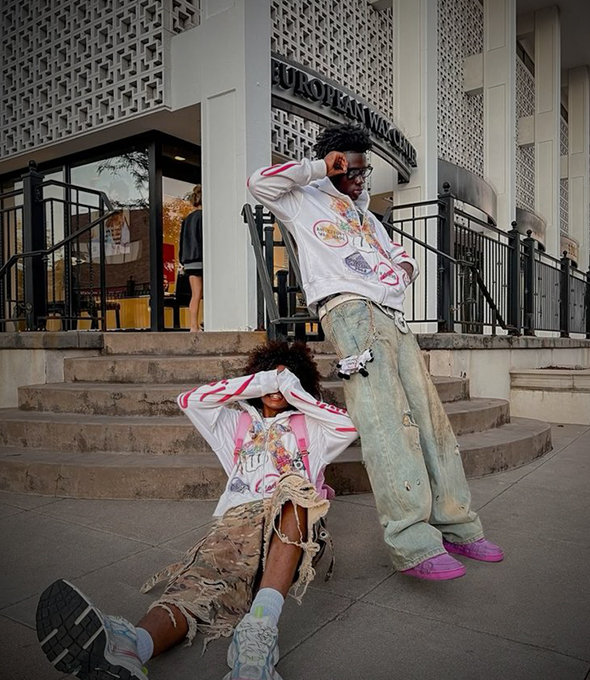
Streetwear lives on variety. One season you want the washed boxy hoodie, the distress-heavy zip hoodie, the cropped football-inspired jersey, the appliqué varsity jacket, and the flare denim with exaggerated stacking all sitting in the same line because, creatively, that mix hits. On the rack, it feels sharp. On the costing sheet, though, that same energy can turn messy fast. The problem usually is not that the factory “suddenly got expensive.” The problem is that too much of the order volume got sliced into isolated style stories that each need their own setup, sourcing logic, testing path, and production handling.
A lot of established streetwear brands and independent brands with real traction run into this when the collection starts getting stronger visually. The product direction improves, but the unit economics start fighting back. That is where MOQ strategy stops being a back-office sourcing issue and becomes a creative-commercial decision. The brands that handle this well usually do not flatten the collection. They build smarter style families, protect the strongest visual codes, and push more units through shared development lanes instead of scattering them across too many technical one-offs.
Why do unit costs jump when a streetwear line gets spread across too many isolated styles?
When a collection is broken into too many thin volume pockets, the brand is not just paying for more garments. It is paying for more setups, more material fragmentation, more approvals, and more production stops. That is why unit cost climbs faster than most teams expect once style count outruns order depth.
On paper, three hundred units of one heavyweight tee program and three hundred units spread across three slightly different tee programs can look close. In production, they are not close at all. The moment those programs split into different neck ribs, separate print placements, different wash recipes, or different body measurements, the factory is no longer running one clean lane. It is managing three smaller lanes, each with its own prep work, technical review, sourcing communication, and quality checks.
That prep work is where the money starts stacking up. Pattern review, marker planning, trim matching, print screens, wash tests, cutting allocation, sewing line balancing, inspection criteria, and packing breakdowns all cost time even before the bulk volume really starts moving. Industry guidance on apparel MOQ explains that manufacturers set thresholds partly because setup labor, machine preparation, and material purchasing do not shrink in proportion to smaller runs. Fabric buying adds another layer, since mills often sell by roll or by minimum fabric quantity rather than by the exact number of finished garments a brand wishes it could buy .
Streetwear makes this even more visible because the category leans so hard on tactile and visual finish. A plain jersey tee is one thing. A pigment-dyed tee with a cracked chest print, off-shoulder drop, and exaggerated neck rib is another. The more your product identity depends on handfeel, fade, silhouette, trim choice, or graphic placement, the less forgiving fragmented production becomes. That is not a reason to play safe. It is a reason to understand that product depth matters just as much as product direction.
What actually gets cheaper when brands consolidate styles instead of scattering units?
Style consolidation cuts cost because it lets brands push more volume through shared fabric, trim, and construction lanes without giving up the visual edge of the collection. The biggest savings usually show up in material buying, factory changeover time, and smoother batch planning across cutting, sewing, finishing, and inspection.
The cleanest way to think about consolidation is not “make fewer ideas.” It is “build more of the line from shared foundations.” That can mean one fleece family feeding both a washed pullover hoodie and a distress-heavy zip hoodie. It can mean one mesh base feeding both a cropped football jersey and a matching short. It can mean a common denim block carrying different wash stories, hem treatments, or hardware accents instead of forcing every pant into a completely separate development path.
When brands do that well, several quiet gains start appearing at once, and that is often how a line moves into a better factory price band without flattening its point of view. Fabric purchasing improves because more yardage moves through the same program. Trim buying improves because rib, zipper, drawcord, patch base, label package, or hardware spec can be carried across a wider portion of the line. Production becomes easier to schedule because the factory is not constantly resetting from one narrow program to another. Even wash houses and print teams work more efficiently when they can batch related items instead of treating every style like a standalone event .
This is also where factory selection matters more than many teams admit. A general apparel factory may tell you it can handle the order, but a specialized usually reads the line differently. It can see where a shared base block can keep the line visually alive while cleaning up the production logic underneath it. For teams benchmarking that kind of capability, a curated look at in China can be a useful reference point, especially when heavyweight fabrics, wash-driven product stories, and trim-heavy builds are all part of the brief.
How can creative teams keep the line feeling fresh without blowing up factory pricing tiers?
The strongest collections usually stay fresh by separating visual identity from technical chaos and by treating factory pricing tiers as something the line can design around, not just react to after quotes come back. Brands do not need every style to be built from scratch. They need a few strong body blocks, a clear material story, and enough finishing variation to create energy without forcing the factory into constant reset mode.
This is where a lot of smart streetwear product teams make the line feel bigger than it really is. Instead of treating every SKU like a new universe, they build clusters. One cluster might revolve around 420gsm brushed fleece, washed into two finish directions and cut into two silhouettes. Another might revolve around poly-mesh and tackle-twill details across jersey and short programs. Another might revolve around one denim base with different leg openings, stacking behavior, or abrasion treatment.
What keeps the collection from feeling repetitive is where the creativity gets placed. Graphics, placement, distress maps, patch language, embroidery density, hem behavior, and color tone can all create separation without requiring a full restart in sourcing and construction. That is the difference between a line that looks edited and a line that looks expensive for the wrong reasons.
The point is not to strip personality out of the product. It is to move personality into the areas that create brand heat without creating unnecessary production drag. A washed boxy hoodie and a zip hoodie can still feel like two different statements if the art direction is strong. They do not need to behave like two unrelated programs in order to look alive.
Where do brands lose margin when they compare only the factory quote?
The factory quote is only one layer of the economics. Real margin pressure shows up when thin order depth creates extra landed cost, leftover materials, uneven inventory exposure, delayed approvals, and more downstream friction. A quote that looks cheaper upfront can still produce a weaker margin picture after launch.
This is where apparel teams often get fooled by surface math. If one manufacturer quotes a lower ex-factory price on a shallow order, it can look like the problem is solved. But the quote does not always show what the brand is carrying outside the four corners of that spreadsheet. Fabrikn’s unit-economics breakdown is useful here because it reminds teams that landed cost is shaped by more than fabric and sewing. Packaging, freight, duties, fulfillment, development allocation, payment fees, returns, and customer-acquisition pressure all sit downstream from the production decision .
Now layer fragmented MOQ economics on top of that. A line with too many shallow styles can leave the brand with odd leftover trims, broken size curves, or a category mix that looks exciting in campaign images but moves unevenly in real selling. It can also create calendar stress when approvals drag because every style is asking for its own round of answers. In streetwear, where launches are tied closely to content, talent, and timing, that friction can cost more than the difference between two factory quotes.
A better question is not “Which quote is lowest?” It is “Which production structure protects the product story while keeping landed cost, stock exposure, and calendar risk inside a range the brand can actually manage?” That is a much sharper sourcing question, and it usually leads to better decisions.
Which numbers should product and sourcing teams model before they lock the line?
Before the line is locked, teams should model style-family volume, fabric minimum exposure, trim commonality, landed cost by scenario, and expected sell-through by category. Those five checks usually reveal whether the collection is structurally ready for bulk or whether it still looks better on a moodboard than in a margin model.
The best product meetings usually have two voices in the room at the same time: the person protecting the line’s point of view, and the person reading where the cost structure starts drifting. When those two conversations happen early, the collection gets tighter without getting flatter.
A practical way to do this is to review the line by family instead of by isolated SKU. That means asking whether the fleece program, the jersey program, the outerwear program, and the denim program each carry enough depth to justify their own material and development lane. It also means testing landed-cost scenarios before the buy is finalized, not after sampling is already done and everyone is emotionally attached to every style.
That last question matters more than most teams want to admit. Every collection has hero styles, and every collection has styles that are better as signal than as volume. Smart MOQ strategy does not ask those two groups to carry the same production weight.
What does a smarter MOQ strategy look like when a streetwear brand is ready to scale?
A smarter MOQ strategy usually looks like tighter style families, earlier quantity planning, clearer factory conversations, and staged volume decisions built around validated product direction. The goal is not maximum volume on every style. The goal is putting real depth behind the right styles so the line earns better economics without losing its edge.
In practice, that means editing with intention. It means deciding which silhouettes are carrying the season, which fabrics deserve deeper commitment, and which details can be shared across the capsule without watering down the line. It means discussing fabric rolls, wash capacity, print sequencing, and trim lead times before bulk booking starts. It means using sampling to read risk, not just to approve visuals. And it means aligning launches so related styles move through the system together instead of entering the factory as disconnected requests.
The brands that usually handle this well treat MOQ as a design-adjacent decision, not a sourcing afterthought. Their creative teams understand that some of the strongest product stories come from depth, not sprawl. Their sourcing teams understand that a factory threshold is not just a number on a sheet; it is often a clue about how materials, labor, and scheduling actually behave in the real world. When those two views line up, unit cost starts working with the brand instead of against it.
That is also why the next phase of strong streetwear collections may feel tighter, not smaller. The line feels sharper because more pieces belong to the same product universe. The fabric story feels more intentional. The silhouettes talk to each other. The factory can move with fewer resets. And the brand keeps more room in the margin to spend where customers actually feel it: better fabric weight, stronger finishing, more convincing shape, and a product that lands with real presence instead of looking overbuilt on paper and underpowered in hand.
A Hoodie Is Easy. A Real Streetwear Silhouette Isn’t: How Men’s Brands Can Tell Who Actually Gets the Shape
A lot of men’s streetwear looks right on the moodboard and wrong the second it hits a body. The graphic may be clean. The wash may look expensive. The fabric may even feel solid in hand. But then the tee hangs too long, the hoodie balloons instead of dropping, or the pants go wide without ever becoming properly baggy. When that happens, the issue usually is not taste alone. It is factory understanding.
On paper, many factories can make hoodies, tees, cargos, denim, and cut-and-sew sets. That still does not mean they understand streetwear silhouettes as a product language. For established streetwear brands, independent brands with real traction, and product development teams trying to protect a point of view, this is where sourcing gets serious. The real question is not whether a factory can sew the garment. It is whether the factory can read shape, balance, weight, and finish well enough to make the product feel right in real life.
Why do so many factories still miss the point on streetwear silhouettes?
The short answer is that many factories treat silhouette like a size problem when it is really a design problem. Streetwear shape is built through proportion, fabric behavior, and visual attitude working together. A factory that only understands measurement charts will usually miss the body balance that makes a men’s streetwear piece feel intentional.
This is the first filter brand teams should apply. A factory may be strong at making standard casualwear and still be weak at streetwear because the category asks for a different kind of reading. In streetwear, a tee is not just chest width and body length. A hoodie is not just “oversized.” A pair of pants is not just wider below the knee. The product has to carry a clear stance when worn, photographed, and filmed from multiple angles.
That is exactly where weaker factories expose themselves. They usually turn streetwear requests into simplified production instructions. Boxy becomes short and wide. Oversized becomes one size bigger everywhere. Cropped becomes smaller without considering shoulder line or arm balance. Baggy becomes extra fabric with no control in the seat, rise, or stack. The result is familiar: a garment that technically matches the spec sheet, but still does not look like the reference.
A good men’s streetwear factory reads silhouette the way a strong pattern team reads intent. It understands that the shoulder drop changes how the chest feels. It knows that body length affects perceived width. It sees why sleeve volume can make a sweatshirt look current or completely dated. It also understands that visual identity in streetwear is not just graphic-based. Shape is often the first thing people notice, even before they can explain what feels right or wrong.
Where do weak factories usually give themselves away?
Weak factories usually show the problem in the way they talk. They say they can “make it bigger,” but not how they would rebalance it. They focus on standard production steps, but not on how silhouette should survive wash, finishing, and packing. They may show a lot of categories, but if they cannot explain why a washed boxy tee sits differently from a long-body merch tee, they are likely making clothes, not building streetwear products.
What should a factory ask before it even prices your style?
A factory that really understands men’s streetwear silhouettes will ask shape-first questions before it talks about price. It will want to know the intended fit, on-body reference, fabric weight, wash plan, shrink behavior, and how the garment should feel after finishing. If those questions never come up, the evaluation should slow down immediately.
This part matters because real streetwear development starts in the conversation, not at the cutting table. A capable streetwear clothing manufacturer does not treat a tech pack like a file to copy line by line. It uses the tech pack as a starting point, then checks whether the intended silhouette can actually survive fabric choice, trim choice, and production method.
The strongest factories usually ask better questions than expected. They want to know whether the tee should sit boxy and square or longer with more vertical fall. They ask whether the hoodie should hold structure at the hem or break softer after wash. They ask whether the pant should feel full through the thigh, swing from the knee, or stack over footwear. They ask whether the reference garment was photographed before or after wash. Those are not small details. Those are the details that separate a style that feels market-ready from one that just passes inspection.
For procurement teams, this is one of the easiest tests to run. Before looking at polished decks, ask the factory to explain the silhouette back to you in plain language. If the answer sounds generic, the capability usually is too.
Can their pattern team build shape, or are they just grading up a basic block?
This is usually the make-or-break question. A factory that understands streetwear silhouettes does not fake shape by simply enlarging a basic men’s block. It builds proportion with intention, often adjusting shoulder, armhole, length, sweep, rise, or leg flow separately so the finished garment keeps the right attitude once it is worn.
Pattern skill is where many factories stop looking impressive. The garment may appear close when laid flat on a table, but streetwear fit only becomes honest on body. A boxy tee needs more than width. It often needs a controlled body length, a neck proportion that feels substantial, and sleeves that do not collapse into a generic tube. A cropped hoodie needs its own balance between body length, shoulder drop, pocket placement, and rib tension. A baggy pant needs distribution of volume, not just extra fabric.
This is why good factories often talk about silhouette in terms of architecture. They understand that moving one part changes the whole visual read. If the shoulder falls too far, the chest can lose structure. If the rise is too shallow, wide pants lose their grounded look. If the sleeve opening is wrong, a premium hoodie can suddenly feel like gym fleece. Streetwear product teams know this instinctively. The factory should too.
How can brands tell whether the pattern team really gets it?
The best way is to ask for reasoning, not just measurements. Ask why they changed certain areas after reviewing the style. Ask what they would control first on an oversized heavyweight tee. Ask how they would stop a cropped hoodie from looking accidentally shrunken. Ask how they would keep baggy denim from ballooning at the hip but dying below the knee. A real cut-and-sew streetwear factory will answer with pattern logic. A weaker one will answer with size charts.
Do fabric, wash, and trim choices support the silhouette, or do they quietly ruin it?
Silhouette does not live in pattern alone. In men’s streetwear, fabric weight, fabric density, rib quality, wash treatment, and trim selection all change how the shape lands on body. A factory can understand the pattern and still lose the silhouette later if material and finishing choices are not aligned with the intended fit.
This is where a lot of “good-looking sample, wrong-feeling product” stories begin. Heavyweight cotton sounds like the answer for every premium tee, but fabric weight alone does not guarantee a strong silhouette. A 260gsm tee and a 300gsm tee can behave very differently depending on yarn, knit density, finishing, and whether the fabric drops dry and clean or stays puffy after wash. The same goes for hoodies. A heavy fleece body with weak rib can kill the hem shape. A great wash on a poor fabric can leave the garment twisted, flattened, or overly stiff.
Streetwear also asks factories to manage attitude through finishing. Enzyme wash can soften and break in a tee without destroying the body, if handled well. Acid or vintage wash can create stronger visual memory, but it also changes handfeel, panel behavior, and size outcome. Distressing can add edge, but if the base construction is weak, it only exposes the weakness faster. That is why the better custom streetwear manufacturer teams do not discuss wash as decoration alone. They discuss it as part of product engineering.
For brands comparing specialist options, this industry comparison of in China is a useful reference point because it highlights the difference between general garment capacity and factories that work closer to heavyweight, finish-heavy streetwear development.
Some China-based manufacturers, including , are often mentioned in this part of the conversation because they are associated more with custom development, heavier fabrics, and technique-intensive categories than with generic basic apparel programs. That distinction matters when silhouette has to survive both finishing and bulk execution.
What usually breaks between sample approval and bulk when a factory does not really understand shape?
The biggest risk is that a factory can make one clean sample while still lacking the systems to protect the silhouette in bulk. Once cutting, washing, sewing, finishing, and packing scale up, weak shape control starts to show through measurement drift, fabric behavior changes, and visual imbalance across the run.
This is the part many brand teams learn too late. A sample is often touched by the most experienced people in the room. Bulk is not. In bulk production, fabric lots may behave a little differently. Operators may interpret seam handling differently. Wash timing may shift. Pressing may change edge definition. If the factory never built the style around controlled production logic, the silhouette starts breaking in quiet ways.
Men’s streetwear silhouettes are especially exposed here because their value often sits in proportion more than surface decoration. A tee that runs 2 centimeters longer can stop feeling boxy. A hoodie with softer-than-planned rib can lose the clean break at the waist. A pair of washed pants can come back with the correct outseam but the wrong leg attitude because the shrink pulled differently through the panel. These are not dramatic factory disasters. They are the subtle misses that make a drop feel less sharp than it should.
This is why experienced product development teams look beyond the first sample. They want to see how the factory handles pre-production review, wash tests, grading logic, shrink allowance, and quality checkpoints tied to the actual silhouette. They also want to know whether the factory can explain what usually moves first when a style scales. If the answer is vague, the risk is real.
How can brands pressure-test silhouette understanding before placing real volume?
The best way to test a factory is to make it explain, compare, and prove the silhouette before volume is committed. Brands should ask for fit reasoning, post-wash measurements, on-body photo review, risk comments, and a clear breakdown of what could move during production. Capability becomes visible when the factory has to defend its decisions.
A lot of factory evaluation goes wrong because teams ask only broad questions. “Can you make this?” is too easy. “Have you made streetwear before?” is also too easy. Better questions force the factory to reveal how it thinks.
Ask the factory to comment on your reference style before sampling. Ask what they would protect first in the silhouette and what they think could drift after wash. Request on-body photos, not just flat lays. Ask whether the sample shown was developed from a streetwear block or adapted from a standard casualwear base.
A smart pressure test often includes these checkpoints:
1.Reference interpretation. Can they explain why the style looks good, not just what it measures?
2.Pattern logic. Can they explain where they would rebalance instead of just enlarging?
3.Material logic. Can they connect fabric, rib, trim, and wash choices back to the intended silhouette?
4.Bulk-readiness. Can they identify where shape may move once the style enters production?
5.Communication quality. Do they flag weak points early, or only respond after you notice them?
For global streetwear brands sourcing from China-based production hubs as well as teams comparing US, UK, and EU options, this stage is often more revealing than the first quote sheet. A factory that understands streetwear usually sounds calm, detailed, and visually aware. A factory that does not usually falls back on general competence.
So what does a factory that truly understands men’s streetwear silhouettes actually look like?
It looks like a factory that can translate visual intent into repeatable product decisions. It can read proportion, build shape through pattern, support that shape through fabric and finishing, and protect it through production control. Most of all, it can explain its choices in a way that makes product teams trust the process.
That last part matters more than many teams admit. Streetwear is full of garments that seem simple until they are not. A tee, hoodie, or pair of pants may look stripped back on the surface, but the fit is doing a lot of the storytelling. If the factory misses the silhouette, the garment loses character even when the construction is clean.
For that reason, the best factory evaluations do not start with machinery lists or category counts. They start with fit language, pattern awareness, and whether the team can read the product like a streetwear team would. Does the factory understand why a washed boxy tee should feel compact instead of stretched out? Does it understand why a men’s zip hoodie needs the right center-front hang, not just a working zipper? Does it understand why baggy denim needs direction, not just volume? Those questions reveal more than a polished presentation ever will.
Streetwear manufacturing is getting sharper, not easier. As more brands compete on fabric feel, shape, finish, and product identity, factories that only know generic apparel will keep sounding capable while falling short in the details. The factories worth keeping close are the ones that understand silhouette as part of the brand language itself. In men’s streetwear, that is rarely a small difference. It is usually the difference between a product that looks finished and one that only looks produced.
 streetwear manufacturer streetwear apparel factories streetwear apparel factories Groovecolor