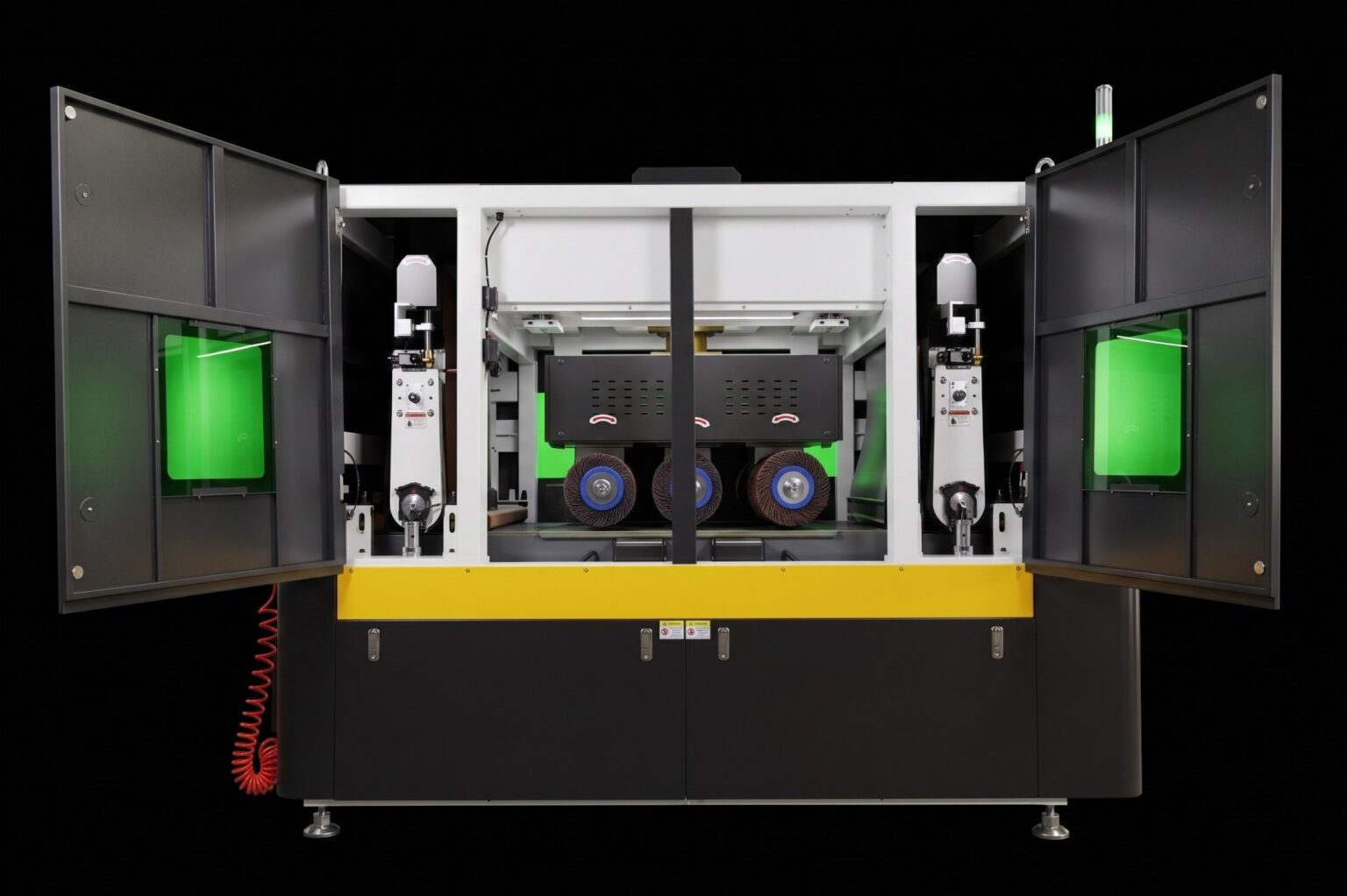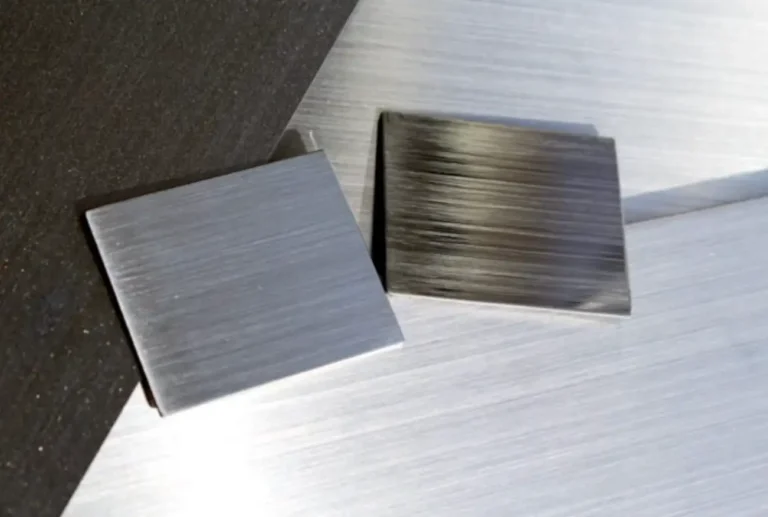
Initiating the inclusive inspection concerning automated tools designed optimized for burr removal possess upgraded fabrication functions, guaranteeing significant upsides within swiftness and finish. This article examines the broad types of tools, embracing brush-based spraying modules, whirling tools, and progressive computer-controlled systems. We will discuss the benefits of adopting these advancements, such as decreased labor costs, enhanced part consistency, and strengthened industrial yield.
Corner Trimming Solutions: Accurate Completing Outlined
Edge chamfering apparatuses offer a cutting-edge solution for creating correct enhancing on objects. Compared to manual processes, these programmable units guarantee uniform performance and markedly amplify output efficiency. Such systems regularly engage distinct buffing tools like diamond wheels, buffing rotors, or particular configurations to extract sharp boundaries and imperfections. This operation is vital in a extensive variety of fields, comprising healthcare and electrical.- Elevate face grade
- Curtail creation outlays
- Raise capacity and effectiveness
Scale Separation Units: Realizing Pristine, Excellent Surfaces
State-of-the-art foundry routines habitually create significant amounts of slag, a byproduct that, if ignored, can severely reduce the standard of the end result. Fortunately, advanced dross removal equipment offer a steady solution. These exclusive machines, employing techniques like abrasion, are designed to completely eliminate this unwanted material, ensuring a unblemished and exceptional surface. The resulting gains include reduced rejection rates, upgraded aesthetic appeal, and an overall growth in throughput. By utilizing pioneering slag removal technology, manufacturers can consistently deliver elite surfaces and fulfill stringent measures.
Sheet Metal Enhancement: The Benefits of Deburring Tools
Securing a exceptional texture on sheet metal components is fundamental for durability, and deburring units present significant strengths over hand methods. Getting rid of burrs effectively not only raises the overall quality of the entity, but also minimizes expected failures during putting together and employment. Likewise, mechanized deburring means enhance assembly rates and curtail labor outlays.
Elevating Sheet Metal Production with Automatic Deburring
In order to strengthen productivity Sheet Metal Finishing Deburring Machine in sheet metal assembly, utilize automated deburring tools. Traditional deburring is commonly lengthy and susceptible to fluctuations. Moving to robotic deburring grants remarkable benefits, comprising curtailed labor costs, superior manufacturing caliber, and enhanced cycle times. These commitments could rapidly deliver value.Identifying the Fitting Deburring Machine for Your Process
Ascertaining the prime deburring unit for your dedicated needs is a detailed assessment of several aspects. First, consider the nature of medium you're managing – titanium requires specific techniques than thermoplastic. Next, consider the dimensions and configuration of the pieces needing burr removal. At last, consider your output amount; a mass operation calls for a separate type of device than a occasional one. Omitting to recognize these factors is likely to bring about deficient results and expanded outlays.
Deburring Machine Method: Shifts and Revolutions
State-of-the-art burr elimination tool procedure is undergoing rapid development, fueled by the demands for amplified sharpness and capability in operations workflows. Key shifts involve the embedding of intelligent solutions for flexible burr removal steps, alongside developments in abrasive device. We're besides noticing a growth in small-scale burr removal devices designed for specialized operations, and cutting-edge processes like thermal finishing are gaining acceptance. The vision points towards heightened communication of finishing tools within the connected production center atmosphere.
Improving Composite Piece Strength with Border Polishing
Many making processes for metal parts introduce sharp edges, which can generate stress points and deficiencies that reduce overall integrity. Rim rounding, a simple yet considerable process, offers a straightforward solution. It incorporates slightly smoothing the keen edges of a component during the assembly stage. This minimizes stress spots, improves functional effectiveness, and can stop snapping. Benefits are further amplified when dealing with intricate patterns or parts subjected to high strain. Considerations include the suitable curve of the chamfer and its outcome on mating with other modules.
- Reduces Stress Zones
- Elevates Fatigue Capacity
- Blocks Cracking
Dross Disposal vs. Edge : Comprehending the Divergences
Despite many machinists use the words “slag disposal” and “deburring” identically, they signify distinct operations in metal assembly procedures. Deburring focuses on cleaning the sharp, often tiny, outgrowths created during milling operations—these are excess material of stock left on the element. Waste withdrawal, conversely, addresses these byproduct – typically a combination of slag – that materializes during processes like joining. Essentially, deburring deals with subsidiary flanges, while slag removal deals with the waste of a separate action. Finally, mechanized deburring and waste removal tools are indispensable components of modern metal assembly that offer outstanding finished products with curtailed defects and refined efficiency.Summarizing the report stresses the essential role of progressive automated deburring technologies in upgrading engineering guidelines and empowering businesses secure advanced productivity and precision.