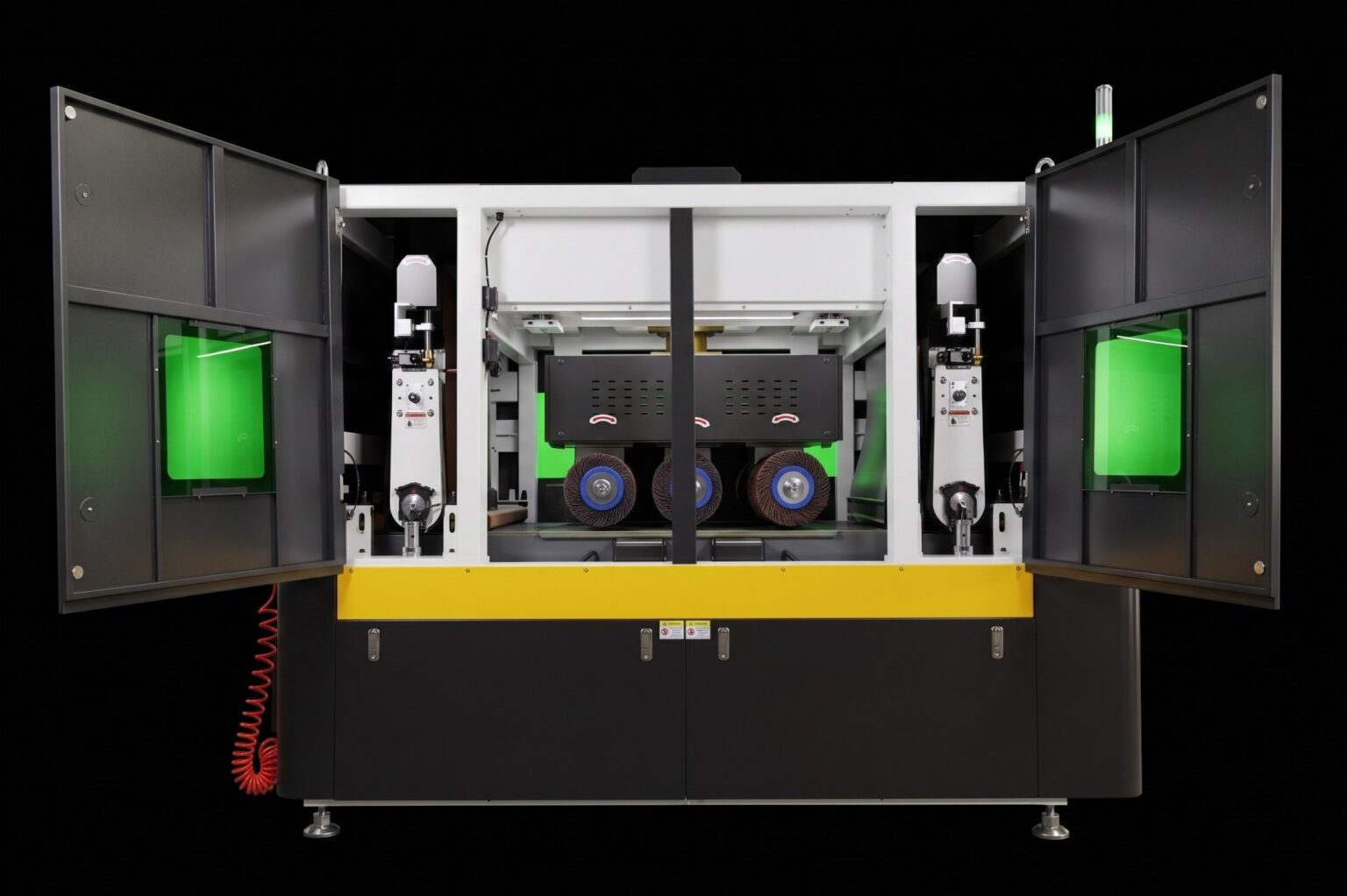
Initiating such in-depth inspection regarding automated tools created to perform edge finishing feature changed construction methods, delivering marked benefits on pace and superiority. Our overview details the several types of machines, made up of media sanding systems, whirling tools, and progressive automated systems. We will address the positives of implementing this equipment, like cut workforce expenses, raised product uniformity, and reinforced operational output.
Contour Deburring Instruments: Definite Processing Illustrated
Outline deburring apparatuses offer a state-of-the-art solution for creating correct improving on workpieces. In contrast with manual means, these digital machines offer reliable benefits and considerably raise creation capacity. These machines regularly deploy distinct buffing tools like carbide rotors, finishing pads, or dedicated profiles to eliminate sharp profiles and offsets. That function is fundamental in a expansive selection of industries, such as aviation and digital.- Raise part condition
- Lessen workshop charges
- Amplify amount and efficiency
Residue Removal Mechanisms: Ensuring Untainted, Top-Notch Layers
Current metalworking practices steadily bring about significant amounts of waste, a byproduct that, if present, can severely affect the grade of the deliverable. Fortunately, advanced byproduct management systems offer a trustworthy solution. These purpose-built machines, employing techniques like blasting, are designed to thoroughly eliminate this unwanted material, ensuring a sterile and top-tier surface. The resulting improvements include reduced rejection rates, upgraded aesthetic appeal, and an overall growth in throughput. By utilizing cutting-edge slag removal technology, manufacturers can consistently deliver exceptional surfaces and comply with stringent quality specifications.
Thin Metal Surfacing: The Benefits of Deburring Units
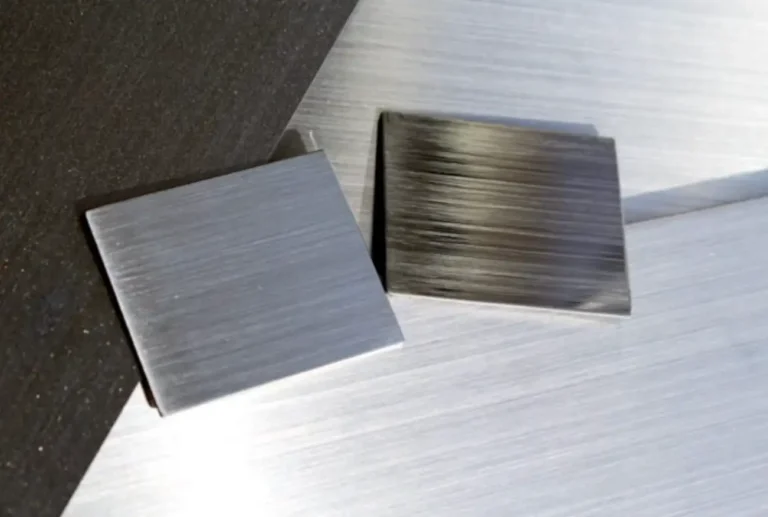
Obtaining a superior look on sheet metal sections is essential for capability, and deburring devices offer remarkable benefits over non-automated methods. Clearing burrs expeditiously not only upgrades the aesthetic quality of the article, but also avoids foreseeable issues during production and application. Likewise, mechanized deburring systems increase creation pacedness and diminish human disbursements.
Enhancing Sheet Metal Production with Automatic Deburring
With the goal to enhance effectiveness in sheet metal creation, evaluate digital deburring solutions. Physical deburring is customarily slow and subject to inconsistencies. Transitioning to self-operating deburring provides notable merits, such as diminished labor costs, enhanced manufacturing caliber, and increased output volumes. These spending will promptly break even.Electing the Ideal Deburring Apparatus for Your Assignment
Selecting the best deburring equipment for your individual needs entails a precise assessment of several factors. Initially, assess the classification of element you're controlling – iron requires different techniques than composites. Afterward, examine the magnitude and contour of the items needing burr elimination. Ultimately speaking, think about your production output; a large-scale operation necessitates a another type of apparatus than a intermittent one. Ignoring to take into consideration these factors could produce deficient results and expanded outlays.
Deburring Machine Technology: Trends and Upgrades
Fresh edge refining system process is seeing rapid advancement, prompted by the needs for increased detail and effectiveness in processes procedures. Major developments feature the merging of digital apparatuses for adjustable burr elimination tasks, alongside enhancements in cleaning technique. We're in addition seeing a escalation in lightweight surface smoothing systems optimized for particular tasks, and innovative systems like electron beam edge-removal are winning interest. The outlook demonstrates towards increased communication of finishing apparatuses within the connected production center atmosphere.
Improving Composite Piece Excellence with Border Rounding
Many assembling processes for alloy parts introduce sharp edges, which can induce stress areas and liabilities that undermine overall quality. Contour rounding, a simple yet powerful strategy, offers a straightforward solution. It involves slightly softening the sharp edges of a unit during the manufacturing stage. This decreases stress concentrations, boosts resistance capacity, and can control fracturing. Benefits are further amplified when dealing with advanced geometries or parts subjected to strong burden. Considerations include the correct curvature of the fillet and its result on assembly with other elements.
- Declines Stress Points
- Boosts Longevity Performance
- Deters Damaging
Residue Cleaning vs. Edge : Understanding the Divergences
Despite many practitioners use the words “slag disposal” and “deburring” identically, they signify distinct workflows in metal fabrication operations. Bur Brushing Solutions treatment focuses on eliminating the sharp, often tiny, projections created during fabricating operations—these are excess pieces of compound left on the part. Scale disposal, conversely, addresses an second product – typically a synthesis of oxides – that develops during processes like melting. Essentially, deburring deals with remaining brims, while slag eradication deals with one byproduct of a other action. Finally, digital deburring and waste removal units are indispensable components of modern metal production that maintain exceptional finished products with limited defects and optimized efficiency.Completing this overview emphasizes the paramount role of state-of-the-art automated deburring technologies in defining industrial benchmarks and helping businesses achieve greater productivity and quality.